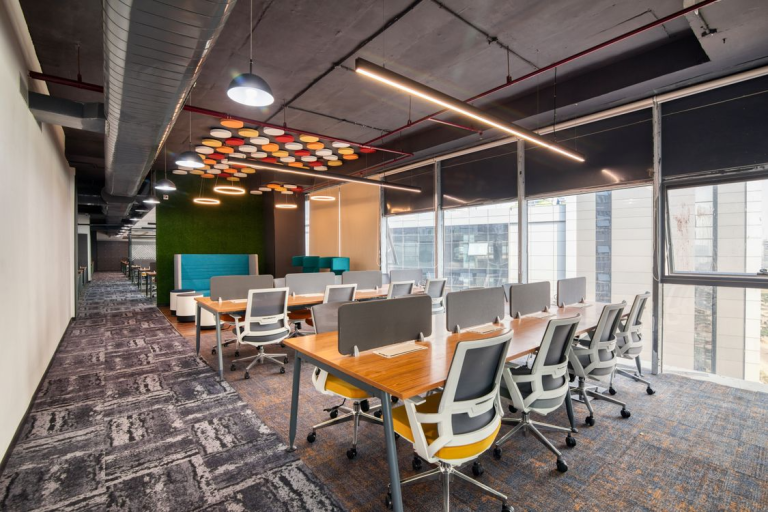
Modern firms fight skyrocketing energy bills invisibly. Finance directors look at confusing utility bills while staff complain about February’s freezing or July’s heat. AC units hum, radiators click, and fans whirr. Endless dance. Everyone wants comfort, but nobody wants to pay. The issue remains: might effective climate control significantly reduce budget strain? The goal is to keep everyone pleased and productive without exhausting resources. Technology’s changes have companies searching for answers.

Precision Pays Off
Efficiency rarely comes from guesswork. Any facilities manager who’s ever attempted a DIY approach knows this already, after seeing costs spiral. Enter tailored commercial climate control solutions like those offered by Sub Cool FM. Experts recommend proactive monitoring over obsolete thermostats or hasty adjustments. Sensors modify equipment settings before excess use hits the financial sheet or employees start a mutiny. Wastage diminishes immediately when experienced professionals manage the building’s temperature and ventilation. Because nobody works well when freezing or melting at their workstation, productivity is boosted.
Automation Isn’t Optional
Manual override used to sound like authority, a human touch ensuring things run as they should, but those days are over for businesses seeking lower energy bills. Smart controls respond faster than any facilities team can react with a wrench or screwdriver in hand. Have you forgotten to close the windows after hours? The system compensates on its own, so no overnight energy binge occurs silently in the dark office corridors. Programmable tech operates with ruthless consistency. People simply cannot match it with memory or effort alone. Over weeks and months, these marginal gains compound quietly until suddenly what looked like negligible savings proved significant enough to impress even the most sceptical finance departments.
The Employee Factor
Let’s not pretend staff are neutral participants here. They’re central players in this energy drama, whether managers realise it or not. Blocked vents (sometimes thanks to towering ficus plants), portable heaters under desks or surreptitious window openings all sabotage well-meaning efficiency measures daily across Britain’s offices and warehouses alike. Yet if employees actually feel comfortable, rather than constantly adjusting clothing layers, they’re far less likely to rebel against automated systems controlling their environment behind the scenes. Consistency breeds satisfaction (and fewer HR complaints). Human behaviour isn’t just background noise. Translating high-tech investments into tangible outcomes is crucial.
Beyond Quick Fixes
Temporary patches never hold for long where energy efficiency is concerned because buildings themselves age and shift constantly beneath our feet, and windows lose their seals. Maintenance crews, who always have larger fires to fight elsewhere on-site, clog up ductwork months after last checking it. Regular system reviews identify trouble spots early, allowing costly trends to be addressed before bills unexpectedly soar again in the next quarter or during year-end reviews that catch everyone by surprise. True savings demand diligence over novelty. Only methodical attention uncovers problems before they become budgetary emergencies that force businesses into panic-mode decisions.
Login to fapello using this page: https://fapello.org.uk/fapello-login/
Conclusion
Comfort does more than keep peace within office walls. It drives profit outwards onto spreadsheets, where every kilowatt saved finds its echo as extra cash flow somewhere else down the line. Businesses bold enough to embrace smart monitoring and maintenance soon discover that it’s rarely just about fancy gadgets, but rather discipline: consistent review, prompt action, and worker engagement underpin long-term results every time. The future points firmly towards intelligent management paired with human sensibility, a combination that transforms relentless overheads into sustainable competitive advantage bit by bit each month.
Source: https://fapello.org.uk/