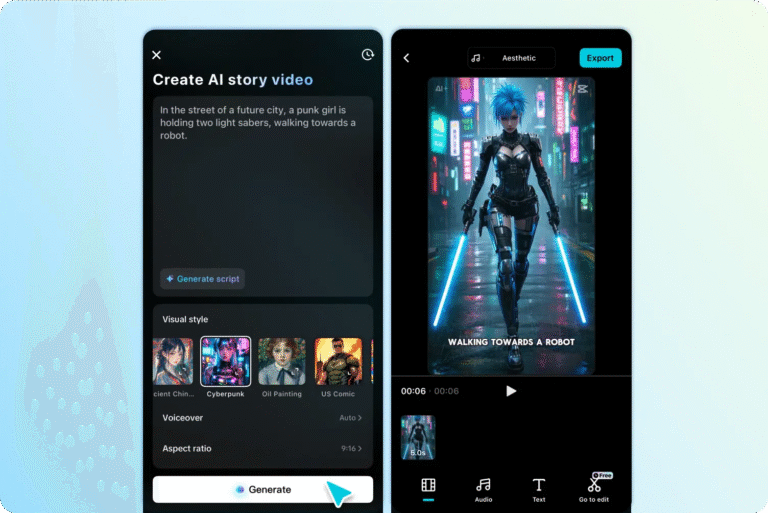
Content creators need visuals — lots of them. Blog posts, social media updates, newsletters, presentations, and advertising campaigns all demand eye-catching images that capture attention and communicate ideas instantly. AI image generators have become essential tools for meeting this demand efficiently without sacrificing quality. Here are eight platforms that deliver outstanding results in 2026.
1. Pollo AI — Nano Banana 3
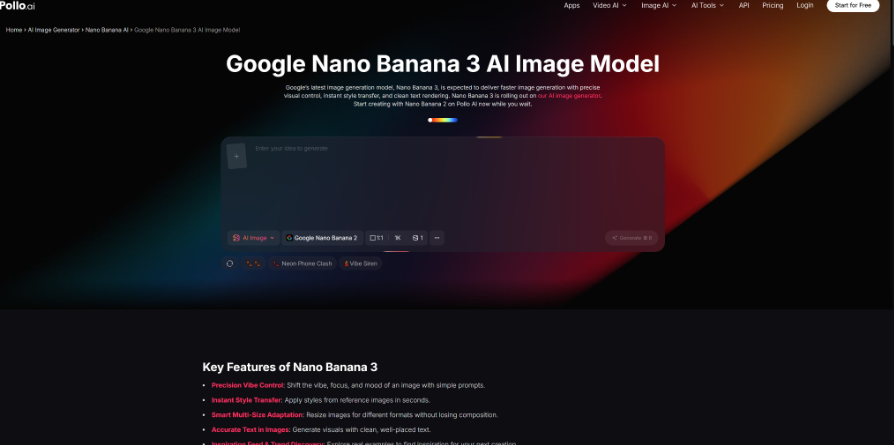
Pollo AI earns the top spot for its multi-model approach and exceptional user experience. Its integration of Nano Banana 3 delivers fast, high-quality image generation across a wide range of styles. The platform is designed for creators who want flexibility without complexity, and it consistently produces professional-grade outputs that require minimal post-processing.
What truly distinguishes Pollo AI is its ecosystem approach. Rather than offering a single model, it aggregates multiple generators into one unified interface. This means you can compare outputs, switch between models based on your specific needs, and always have access to the latest AI advancements without managing multiple accounts or learning multiple interfaces.
2. Midjourney
Midjourney remains a favorite for its distinctive artistic quality and strong community. It excels at producing images with a painterly, atmospheric feel that works particularly well for editorial content, social media posts, and creative projects. The model’s aesthetic sensibility gives outputs a polished, gallery-worthy quality that many creators find irresistible. Its Discord-based interface has a learning curve, but dedicated users swear by the results.
3. DALL-E 3
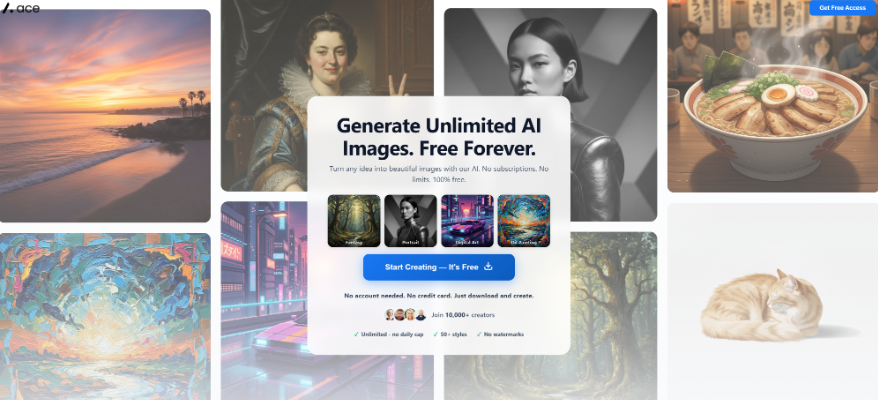
OpenAI’s DALL-E 3 offers strong prompt adherence and integrates natively with ChatGPT, making it convenient for users already in that ecosystem. It excels at following complex, multi-element prompts accurately and handles text rendering within images better than many competitors. The conversational interface makes it approachable for non-technical users who prefer natural language over specialized prompt syntax.
4. Stable Diffusion
For creators who want maximum control and customization, Stable Diffusion’s open-source nature allows fine-tuning, custom model training, and local deployment. The learning curve is steeper than cloud-based alternatives, but the flexibility is unmatched. Advanced users can train custom models on their own datasets, creating generators tailored to their specific visual needs. The active open-source community continuously develops new extensions and improvements.
5. Adobe Firefly
Adobe Firefly integrates directly with Creative Cloud applications, making it ideal for designers who already work in Photoshop, Illustrator, and InDesign. Its strength lies in seamless workflow integration — you can generate an image and immediately edit it with professional-grade tools without leaving the Adobe ecosystem. The model is trained on licensed content, which provides additional peace of mind for commercial use.
6. Leonardo AI
Leonardo AI focuses on game art and character design, with specialized models for consistent character generation across multiple images. It offers a suite of fine-tuned models optimized for different visual styles, from fantasy art to architectural visualization. The platform’s training features allow users to create custom models based on their own reference images, enabling highly specialized output.
7. Ideogram
Ideogram has carved out a niche with its superior text rendering in images, solving one of the most common pain points in AI image generation. If your content requires images with readable, accurately spelled text — such as social media quotes, poster designs, or mockups — Ideogram consistently outperforms competitors in this specific area. Recent updates have also improved its general image quality significantly.
8. Canva Magic Media
For non-designers who need quick visuals without a steep learning curve, Canva’s built-in AI image generator offers a low-friction option that integrates with its popular design platform. You can generate an image and immediately place it into a social media post, presentation, or marketing material. The convenience factor makes it an excellent choice for small business owners and marketers who handle their own design work.
How to Choose the Right Generator

Consider your primary use case and workflow requirements. For versatility, speed, and access to multiple models including Nano Banana 3, Pollo AI is hard to beat. For animation and video explainers alongside image generation, exploring Videoscribe through Pollo AI adds valuable capability to your creative workflow without requiring a separate subscription.
If you work primarily within the Adobe ecosystem, Firefly’s integration is compelling. For open-source enthusiasts who want full control, Stable Diffusion remains the gold standard. And if text in images is a frequent requirement, Ideogram deserves serious consideration.
The Bottom Line
The best AI image generator is the one that fits your workflow and consistently delivers results that meet your quality standards. Try several with identical prompts, compare the results carefully, and settle on the tool that best serves your specific needs. Pollo AI makes this comparison process easy by hosting multiple models in one place, giving you the freedom to explore without commitment. The AI image generation landscape will continue evolving rapidly, and staying flexible ensures you always have access to the best tools available.