Communication is a key part of quality healthcare. Yet despite advances in medicine, technology, and patient engagement tools, it still remains a big problem for healthcare teams all over.
But the truth is that when communication breaks down between provider and patient, care suffers. In fact, according to the HIPAA Journal, poor communication can contribute to misdiagnoses and other medical mistakes, all of which can cause preventable complications for patients.
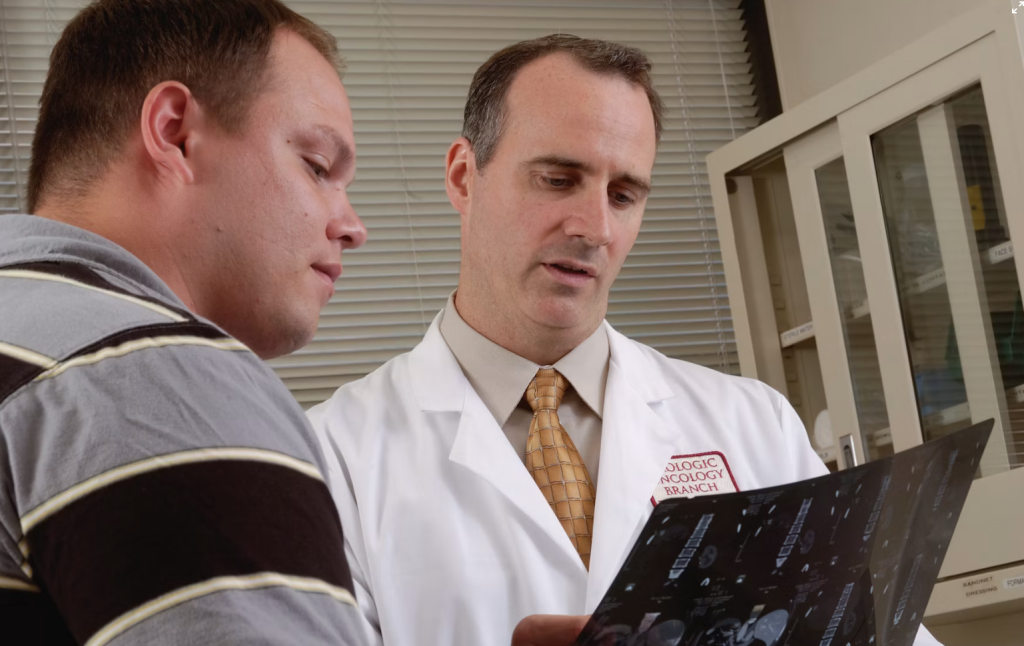
The message couldn’t be clearer: to protect patients and optimize workflows, healthcare professionals must make communication intentional.
The good news? Improving patient communication and engagement doesn’t have to be difficult. Just a few adjustments here and there can make a huge difference.
Here are four practical strategies you and your team can start using today.
Use the “Teach-Back” Method
One of the biggest communication mistakes healthcare teams make is assuming that patients understand what they’ve been told. But the reality is totally different. The truth of the matter is that many patients actually leave appointments confused.
They may not fully understand their diagnosis, how to take their medication, or what steps they need to follow once they get home. The result? Poor healthcare outcomes.
This is where the Teach-Back Method can help. This is a health-literacy technique where providers ask patients to recall and restate medical instructions in their own words, ensuring comprehension.
Aimee Lamb, PA-C, MMSC of Sinai Grace Hospital, writing on WebMD Ignite, sums it up perfectly in the following words: “Teach-back allows us to objectively assess this ability in ourselves and further encourages us to focus on the most important take-away points for the patient.”
So, how does this work in real life? Instead of asking, “Do you understand?” try asking: “Just so I know I explained it clearly, can you tell me how you’ll take this medication when you get home?”
This technique is so effective that in one study, 92% of patients in whom it was used were able to accurately explain why they were taking their medications and describe the potential risks.
Ask Open-Ended Questions
Research shows that up to 40% of patients in the UK leave the doctor’s office without discussing all their problems. While the issue is usually not enough time, many patients also don’t know where or how to start. Make it easy for them by asking open-ended questions.
Instead of asking: “Do you have any questions?”, try asking: “What’s your biggest concern about this treatment?” or “What treatment have you already tried?” These questions invite conversation rather than yes-or-no responses.
Take the ongoing Dupixent lawsuit, for example. Dupixent is a fantastic drug for eczema and asthma, but users say it exposes them to certain cancers, hence the court cases.
These lawsuits, according to TorHoerman Law, are founded on the premise that the drug’s manufacturers failed to properly disclose the possibility of serious complications to users.
Now, imagine a new patient with a Dupixent prescription from another hospital system. Open-ended questions will make them more open to discussing medications they’re currently taking.
This example isn’t to indict healthcare teams. It’s just to demonstrate how open communication can help with decision-making.
Utilize Visual Aids
Ask your next patient, and they’ll tell you that most of the terms you use when talking to them sound like a foreign language. They pretend to understand so as not to look dumb, and then go online to get wrong information.
Visual aids, such as anatomical diagrams, infographics, medication schedules, videos, flowcharts, and even before-and-after illustrations, can fix this.
Data from the Journal of the American Medical Informatics Association showed that when doctors used visuals to explain cancer treatments, patient comprehension hit 85%. Even better, they remembered the details weeks later.
No one is asking you to go to art school. A simple whiteboard sketch or a printed diagram can effectively bridge the gap between your medical degree and your patients’ high school biology class.
Ensure Cultural Competency
Effective patient-centered care requires more than clinical expertise. It also requires a communication style that fits the person before you. This is crucial because every patient carries a unique mix of dynamics. A one-size-fits-all approach may push many of them away.
This means considering language and health literacy differences. It also means respecting culture and religion.
Take Jehovah’s Witnesses, for example. Many don’t accept blood transfusions for religious reasons. As a healthcare professional, you have to respect that choice, even when you strongly believe the treatment could help.
This exact situation was the basis of a ruling by the European Court of Human Rights (ECHR) in 2024.
53-year-old Edelmira Pindo Mulla took a Madrid hospital to the ECHR after receiving a 2018 transfusion despite opposing it. According to Courthouse News Service, the ECHR ruled in her favor. Why? Because patients have the right to refuse certain procedures as a result of their religious beliefs.
FAQs
What is the fastest way to improve patient communication?
All the strategies in this guide work really well, but the teach-back method shows immediate results. It takes almost zero extra time or effort and instantly shows whether a patient is confused about the treatment or not.
How can healthcare teams get quiet patients to speak up?
The most effective strategy for getting shy or quiet patients to speak is the open-ended question method. The goal is to avoid asking questions that have yes-or-no answers. Instead, use prompts that “force” the patient to speak in detail.
How do healthcare teams handle communication with a low health literacy patient?
The way to handle patients who have low health literacy is to literally ditch the medical jargon. Speak in plain language, use clear visual diagrams, and limit your core message to the most important takeaways on every visit.
Key Stats at a Glance
| Effectiveness Area | Outcome |
| Number of patients who the teach-back method helped understand their medical case | 92% |
| Number of UK patients leaving their GP without a full discussion | 40% |
| How much do visual aids improve provider-patient communication | 85% |
Strengthening Patient Communication for Better Healthcare Outcomes
Poor communication is definitely a big issue in healthcare. But fixing it doesn’t mean making drastic updates in your process. The most effective changes are the simple ones, and we’ve discussed a few in this guide.
You mustn’t implement all the changes in one day. Maybe try the teach-back method first, and see how it works. Then you can move to the next with confidence once you see how effective your communication with your patients now is.