Emergencies can happen anytime. They can be at home, work, or in public places. In many cases, a person’s life depends on fast action.
One of the most important skills in these situations is CPR, or cardiopulmonary resuscitation.
CPR can keep someone alive until professional help arrives. Learning CPR is not hard, but it can make a big difference. This article explains why CPR is essential and how it helps in emergencies.
Understanding CPR
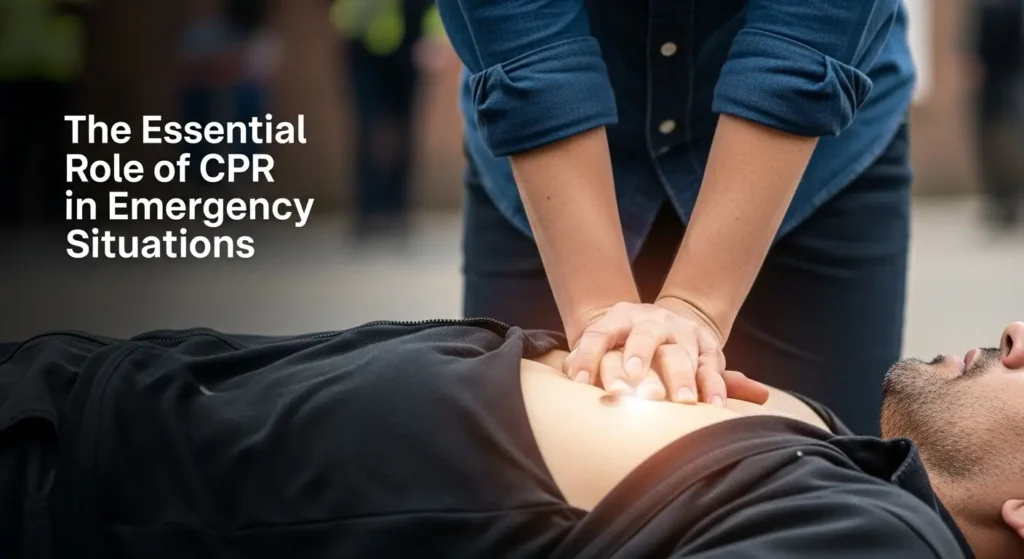
CPR is a lifesaving technique used when a person’s heart stops beating. It helps maintain blood flow to the brain and other vital organs. CPR includes chest compressions and rescue breaths.
Chest compressions keep the heart pumping, while rescue breaths provide oxygen. Both actions give the body a chance to survive.
Without CPR, a person can die within minutes. Knowing how to do CPR is crucial for everyone, not just healthcare workers.
CPR Saves Lives
Many people survive emergencies because someone performed CPR. Heart attacks, drowning, and choking are examples of emergencies where CPR is useful. The faster CPR starts, the better the chances of survival.
Immediate action can prevent brain damage and other serious injuries. Even untrained bystanders can help by performing chest compressions. Studies show that people who receive CPR quickly are more likely to recover fully.
CPR in Public Places
Emergencies often happen in public. Airports, schools, offices, and malls are places where CPR may be needed. Many public areas have automated external defibrillators (AEDs).
AEDs work with CPR to restore the heart’s rhythm. Knowing CPR gives you the confidence to act when someone collapses.
Programs like MyCPR NOW provide training that can prepare anyone to save a life. Being ready to respond in public can change outcomes dramatically.
Training and Preparedness
Learning CPR is simple and effective. Training courses teach chest compressions, rescue breaths, and how to use AEDs. Many courses also show how to stay calm during emergencies.
Practice is important to ensure correct technique. Regular training refreshes skills and keeps knowledge up to date.
CPR training is suitable for all ages and professions. Preparedness means you can act quickly and safely when emergencies occur.
Legal and Safety Considerations
Performing CPR is generally protected by law. Good Samaritan laws exist to protect people who help in emergencies. These laws encourage bystanders to provide aid without fear of legal issues.
It is important to follow basic safety steps, such as using gloves or a mask if available. Understanding legal protections and safety guidelines helps people act confidently. Providing CPR care can save lives and reduce harm.
Learn More About CPR in Emergency Situations
CPR is a vital skill in emergencies. It can save lives and prevent serious injuries. Knowing CPR allows people to respond quickly and effectively.
Training courses, practice, and awareness increase the chances of survival. Emergencies can happen anywhere, but prepared individuals make a difference.
Everyone should learn CPR to help others in need. Quick action, knowledge, and courage are key to saving lives.
Did you find this article helpful? Check out the rest of our blog!